A planter can mark a seating edge, frame a view or hold a mature canopy. Start with the space it occupies and the maintenance it needs, then compare the container’s profile, opening, finish and water-containment assembly.
Compare dimensions and technical information for the selected model. A broad range or familiar brand name does not establish fit, durability or suitability for a project.
This comparison covers selected planter materials and brands. It is not a ranking: no specification-frequency or market-share dataset has been established.
Commercial-interest disclosure: Interiorscape’s owner and publisher, Jeremy Dearringer, is also the owner and CEO of NewPro Containers. NewPro sells COSAPOTS, ECOPOTS, Jay Scotts, Greenline planters—all four brands discussed in this comparison. Its public brand listings were checked on November 12, 2026. This sales relationship does not imply Jeremy owns those brands or that they are independently ranked here. Equivalent products meeting the project criteria remain appropriate.
Three decisions before selecting a planter
1. Planters as spatial infrastructure
Draw the exterior footprint and mature spread against work zones, circulation paths and informal gathering areas. Test seated and standing sightlines before using planting as a boundary.
Compare troughs, cylinders and bowls against the furniture plan and service route. Check the opening and usable depth separately from exterior size.
2. Sculptural forms with visual restraint
Review the profile in elevation beside seating and reception. Compare physical finish samples with the adjacent floor, furniture and planting under project lighting.
A vessel that is visually quiet at the entrance can still block a view from a chair. Check the combined vessel and planting height, not only a product photograph.
3. Lightweight, durable materials
Material selection remains one of the most critical specification decisions. Confirm empty and saturated assembly weight, delivery access and support conditions for the selected container and planting method.
For fiberglass, composite materials and metals, request finish information, maintenance instructions and any relevant project-specific performance evidence.
Selected commercial planter brands
COSAPOTS
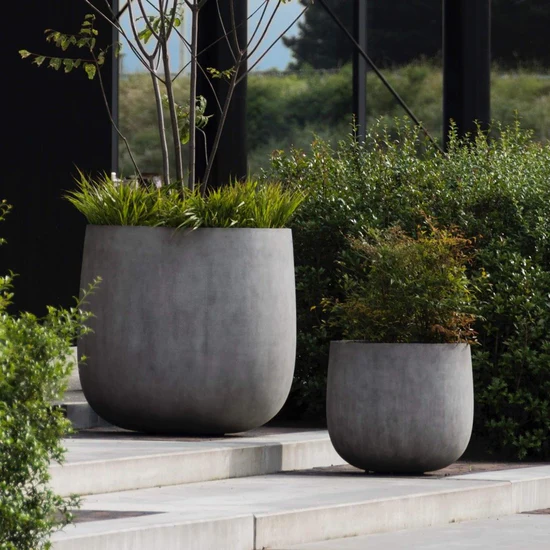
Compare the selected COSAPOTS model’s exterior profile and opening against the furniture layout and proposed grow pot. A broad bowl and a tall cylinder create different seated sightlines even with the same plant.
Request finish samples, usable internal dimensions and liner coordination for the final assembly. Confirm available technical documents for the exact size.
ECOPOTS
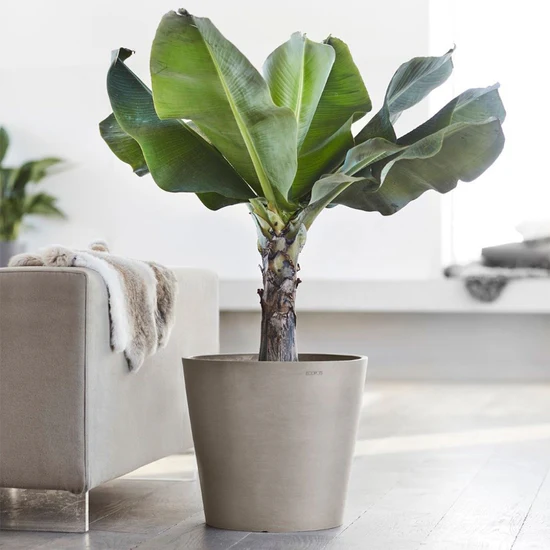
If recycled content is a project criterion, request documentation for the selected ECOPOTS model rather than inferring compliance from the brand name. Compare its profile, opening and usable depth with the grow pot and liner.
Confirm weight, handling, drainage configuration and finish samples for the location. Material claims and environmental requirements need product-specific evidence.
Jay Scotts
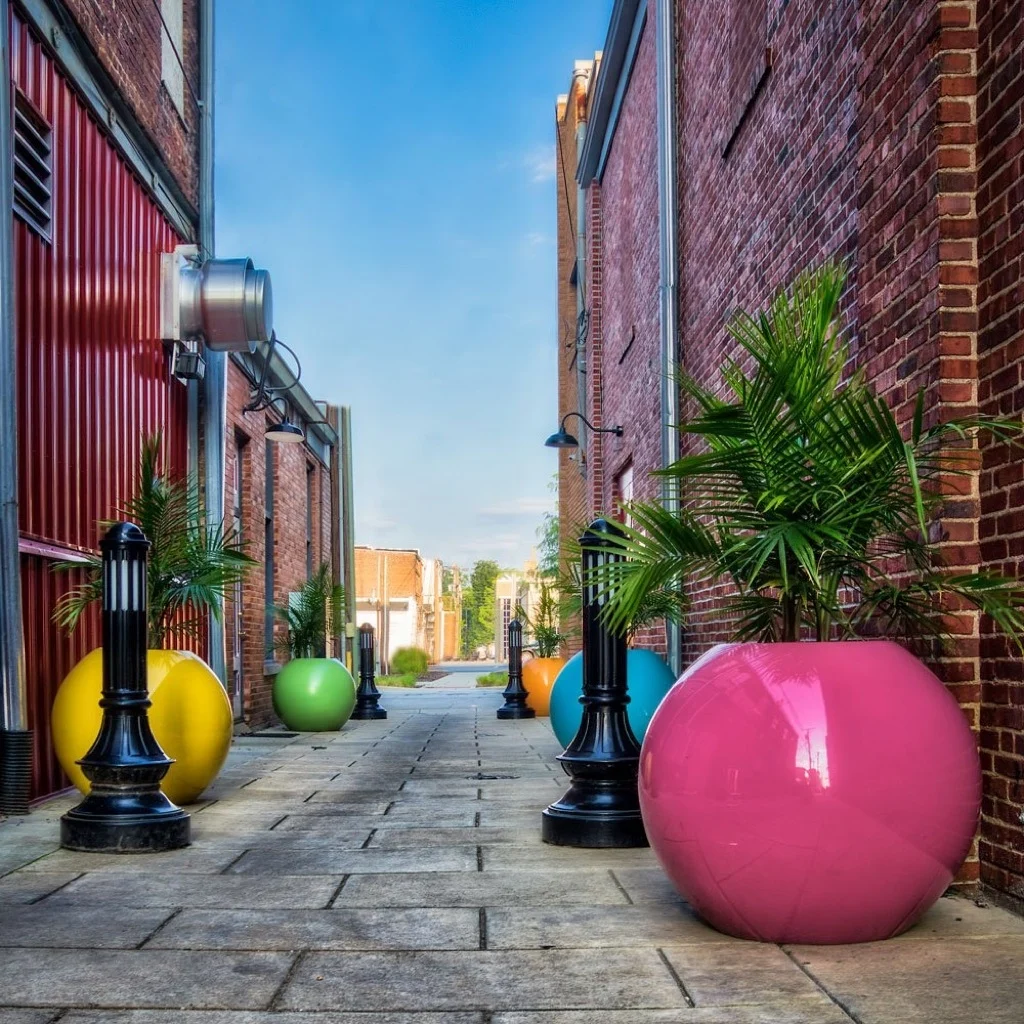
Jay Scotts offers fiberglass planter forms for interior and exterior use. Check the selected product’s dimensions, finish and suitability for the site; range breadth is not proof of specification frequency.
Read the selected Jay Scotts dimension table, then check clear opening, internal profile, usable depth and liner support. Review finish samples and obtain written confirmation of fit and the removal route before ordering.
Greenline Manufacturing (via NewPro Containers)
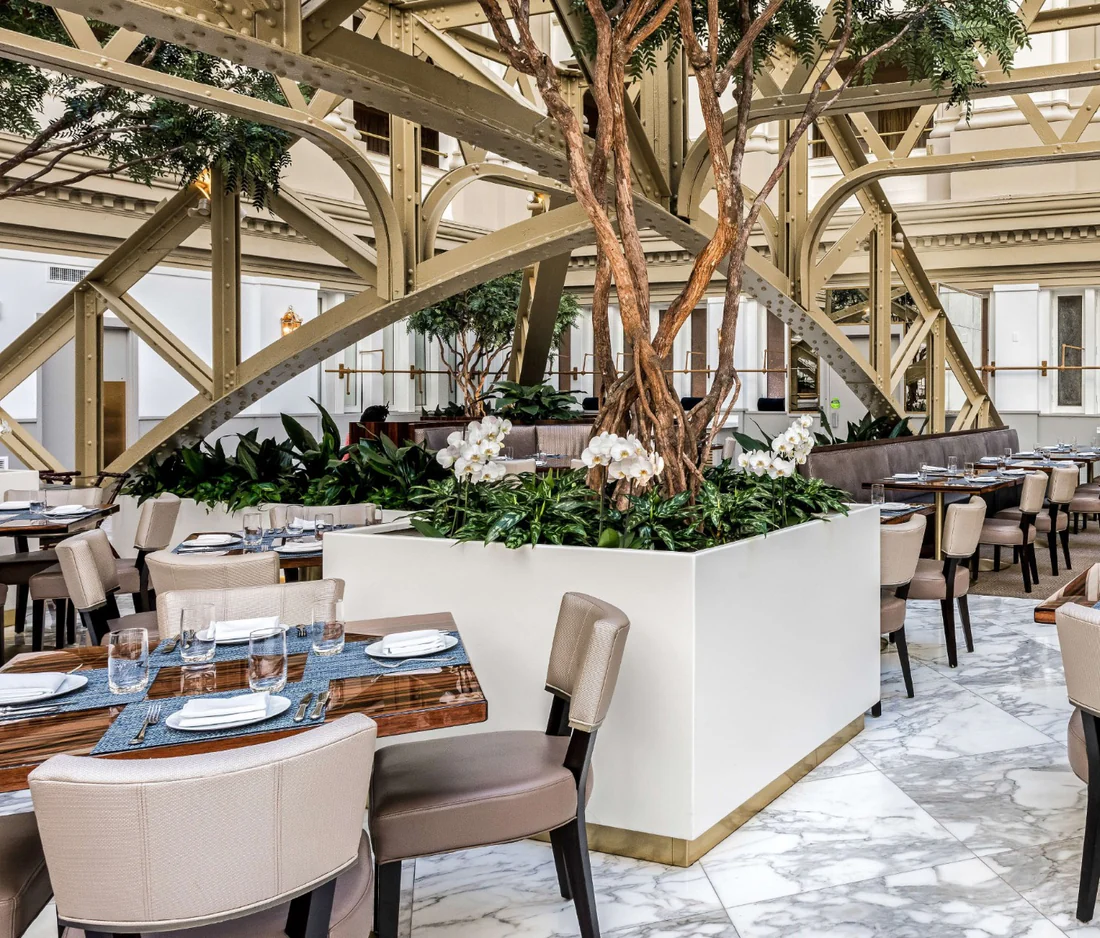
For a Greenline metal planter, review the selected assembly’s profile, material, finish, edges and connections. Coordinate containment so water cannot reach adjacent finishes.
Request drawings, finish samples, weight and maintenance instructions. Confirm site exposure and liner compatibility for the specific model instead of assuming a universal exterior lifespan or specification preference.
What the planter needs to do
Identify which functions the project requires:
- Space definition in open interiors
- Wayfinding in large or complex floor plans
- Brand expression through material and finish selection
- Biophilic integration that supports wellness-focused design narratives
Test quantity and placement against sightlines, accessibility and the mature canopy. Fewer large containers are not automatically more suitable than several small ones.
Specification considerations that matter
Record these criteria for each candidate:
- Weight and installation logistics (especially in multi-story or rooftop applications)
- Long-term maintenance compatibility
- Finish durability and UV resistance
- Drainage and irrigation integration
- Consistency across large quantities
Compare each candidate against the same criteria and identify missing information before procurement. Record selected dimensions, finish and open questions in the editable planter schedule.
Looking ahead
The useful comparison is between the container and the job it must do: hold the plant, protect the floor, fit the route and remain serviceable.
The examples above are starting points for comparison, not evidence of brand popularity or specification frequency. Equivalent products meeting the project criteria remain appropriate.
Carry the selected model, confirmed dimensions, finish and care responsibilities into the schedule and submittal review.
References
- COSAPOTS. European architectural planter collections for commercial interiors and landscapes.
- ECOPOTS. Sustainable recycled composite planters for commercial and residential projects.
- Jay Scotts. Commercial-grade fiberglass planters for interior and exterior applications.
- NewPro Containers / Greenline Manufacturing. Aluminum and metal commercial planters.